David M Rangel / March 4, 2026 / Reviews
February 3, 1959 marks an infamous day in music history. In the early morning hours of that day, a small plane went down in a field in Clear Lake, Iowa, killing all four people on board. The four who lost their lives were rock musicians Ritchie Valens, J.P. “The Big Bopper” Richardson, Buddy Holly and pilot Roger Peterson. The three performers had just finished playing a concert at the Surf Ballroom, a venue in Clear Lake. Their deaths have been popularized into American culture by a song called “American Pie” by singer/songwriter Don McLean. While this was a horrible tragedy all-around, the young ages of the performers, particularly Valens and Holly, have egregiously stood out over time. These two young musicians, 17 and 22, respectively, were groundbreakers who were changing the face of rock ‘n’ roll at the time of their deaths. They we’re not only pioneers helping to establish the standard “rock band“ lineup (two guitars, bass and drums) and the modern day “singer/songwriter” model, but they were also some of the earliest artists to revolutionize the integration of multiple, diverse styles into their music. They brought together different styles of singing, musical fusion and many other components that live on in rock ‘n’ roll today. The influence of Holly and Valens can’t be over emphasized. We can only speculate the different twists and turns modern rock may have taken had they lived.
Joshua Josue’ is a self-described Chicano rocker based in Portland, Oregon. He grew up loving the music of Buddy Holly and Ritchie Valens, which would turn out to be highly influential to him in his own musical career. But Josué is not simply a mere fan of their music. He has been a student of it, who has immersed himself deep within the respective musical worlds and songwriting dynamics of the two young musicians. He has learned from them and taken their influences to incorporate into his own music. But this isn’t the end of the story.
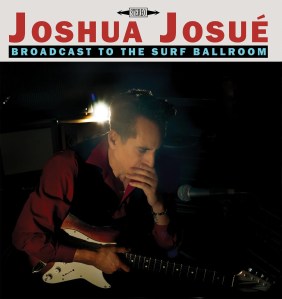
In January of 2026, Joshua Josue’ released Broadcast to the Surf Ballroom, a record consisting of some popular tunes as well as unreleased songs from both Valens and Holly. It’s a musical homage and labor of love to the fallen artists, but with a twist. While other artists may have released an album of cover songs in tribute to their heroes, Josue’ has meticulously undertook the pain staking process of reimagining those songs, particularly ones that were left unfinished by Holly and Valens, and given them a new sound and life.

The entire idea behind this record was to take fragments, unfinished ideas, and demos which Holly and Valance had at the time of their deaths, and mold them into something new for today’s musical context. Josue’ has taken great care in creating new verses, arrangements, vocal stylings and other song components, with the hope of perhaps achieving an end result of songs created in a way which the artists, themselves, may have done. It’s an interesting, artistic rendition of “what might have been”.
There were a number of obscure, unreleased songs of which Josue’ used as his musical canvas to paint modern, auditory pictures. Some were from Buddy Holly‘s demo tapes originating from his Greenwich Village apartment. Others were from bits and pieces of Ritchie Valen’s recorded output that was documented and maintained by Valens’ producer, Bob Keane. It was likely unimagined at the time of the artist’s demise that a modern day musician like Josue’ would give those songs a different life, so many years later.
Straight out of the gate, it should be emphasized that this record is by no means a work of simple nostalgia. It’s not just another album of cover songs done in the name of general admiration for Holly and Valens. It’s a well-thought-out, deep dive into what may have been going on in their minds, taking the listener back to the late 50s, by way of 2026. Of course there is a vibe of 1950s rock ‘n’ roll. It’s a product of its time and Josue’ has done well at retaining those attributes. The record was recorded almost completely live, with few overdubs to capture that spirit of live, old time rock ‘n’ roll. The sound is untainted by modern technology. But there is also an air of progress to these songs, which would go on to influence everyone from the Beatles to Los Lobos.
“Let’s Rock & Roll” kicks off the record with a driving, free, spirited force that would be the blueprint for countless numbers of singers and bands that came after. While this good time rock rave-up may seem tame by today’s standards, it’s a fascinating listen as you imagine how this new sound must have come across to audiences of the time. It wasn’t the first rock ‘n’ roll song of that period, but it’s one that plays an important role in shifting to what rock music would eventually become. The tune, to which Josué added a verse and alternate arrangements, was one that was revived from a tape of Ritchie Valens’ Live at Pacoima Jr. High courtesy of producer Bob Keane.
“Wishing” is a minimalist, but engrossing song which Buddy Holly wrote for the Everly Brothers. Josué makes it his own while still retaining the spirit of the original artist, as he does with all songs on the record. The song is timeless and could likely appeal to multiple generations of listeners, as could “What to Do”, a Beatles-style track with a guitar sound and vocal simplicity that would make appearances in 60s pop circles and neo-60s musical styles, such as those songs and bands within the Paisley Underground. “Well…Alright” is an early example of psychedelia which displays Holly’s forethought in creating this style of song, years before it would become popular. Josué brings a comfortable delivery as if it were his own. His strong connections and admiration for these artists and songs, is apparent throughout this 10 song album.
Josué’s spin on Ritchie Valens’ “La Bamba” rounds out the record in tribute to Valens’ Chicano heritage with a dedication to all Chicano artists who came after. It’s a strong, high-spirited ending to a record which Josué has obviously given extra personal attention and time. Recording and adding to old, unfinished songs in a way the original artist “may have finished them”, presents an obvious risk of ruining those songs. Josué does the opposite with care, creativity and a strong dedication to retaining the old spirit of those songs, while enhancing them with a new and welcome perspective. The tracks may well indeed be “how they would have done them”.
Listen to the record here.

 The Indy Review