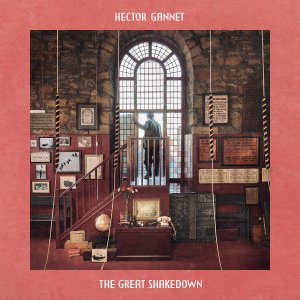
David M Rangel / October 21, 2026 / Review
There are certain American acts like Bruce Springsteen, John Mellencamp and The Beach Boys who heavily incorporate their surroundings and way of life into their music. But it’s often the European bands, that seem to take things into deeper, more personal territory with regard to politics, religion and in many cases, difficult working-class existences. Hector Gannet have their roots and inspiration in a seafaring town called North Shields on England’s north east coast. There, there is a long history of living and dying by way of the sea and the shipbuilding industry. The Great Shakedown is a call to arms of sorts for the unification of that community which audibly comes off as much like a lament as it does a euphoric fist in the air.
This is one of those records that doesn’t belong to any particular time. The production quality and mixing meet modern standards, but the overall musical presentation rings out as if it could’ve been recorded today or decades ago. The underlying brass section that is present throughout, gives the feel of old Motown hits or 80s Sophisti-Pop, which makes for an interesting combination when mixed with the old world sounds of church bells and choirs which ring out like old forgotten stories.
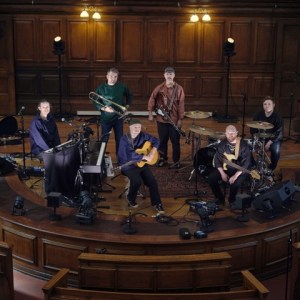
While their press release describes them as “folk rockers”, songwriter Aaron Duff doesn’t just delve into the catchy simplicity of say, The Lumineers. He seems to take inspiration from the more cerebral sounds of Celtic folk and late night jazz clubs. It’s not hard to imagine martinis and pork pie hats when listening to the slow, jazzy feel of “The Big White Telephone”, a nice break that contrasts with the exigency of much of the rest of the record. I can’t help but think of early Waterboys records (A Pagan Place etc.) when hearing the celestial sounds and spiritual, oceanic imagery of tracks on this album like “The Jetty’s End” and “Boat in The Bottle”.
What comes through most on this record is the sense of honesty that Duff and the band have toward their subject matter. They have a familiarity with the lay of the land, which couldn’t come through in people who haven’t in some way lived it, or at least been close to it. “The Mother Tongue”, an obvious single, says “I’ll put the headlights on / gonna drive without a destination”. For a record that’s so contemplative, the track makes you want to do exactly that with its openness and upbeat sense of freedom that could stand up on any mainstream pop radio station. “Seven Signs” is an equally anthemic track where the high spirited rock ‘n’ roll contrasts with the lyrical lament of “the worker waiting to die”. It has a tone and cadence equal to some of the best songs by The Alarm. “A Stitch in The Fold” is the kind of eclectic, slightly jazzy, slightly bluesy, slightly pop sound that was championed by Paul Heaton and The Beautiful South and Hector Gannet clearly present themselves as a legitimate rival.
Overall, records of this kind that lean into niche territory can be hit or miss as far as success rates in markets like America. Often what is understood and held in high regard in European musical circles, somehow doesn’t translate well in the states. But this record, however cerebral, may have just enough of that certain “commercial thing“ to help the band catch on in all parts of the world, be it cult or more mainstream status.
The album is out everywhere this Friday, October 23rd. Listen to the title track here.


